
How to Plan a Website Project: Goals, Sitemap and Content Before Design
Most website delays come from decisions made too late. Plan goals, pages and content first, and the design and build go far more smoothly.
3 min read · Evergreen guideA website’s job is to answer a visitor’s questions quickly and make contacting you effortless. These are the elements that do that, page by page.
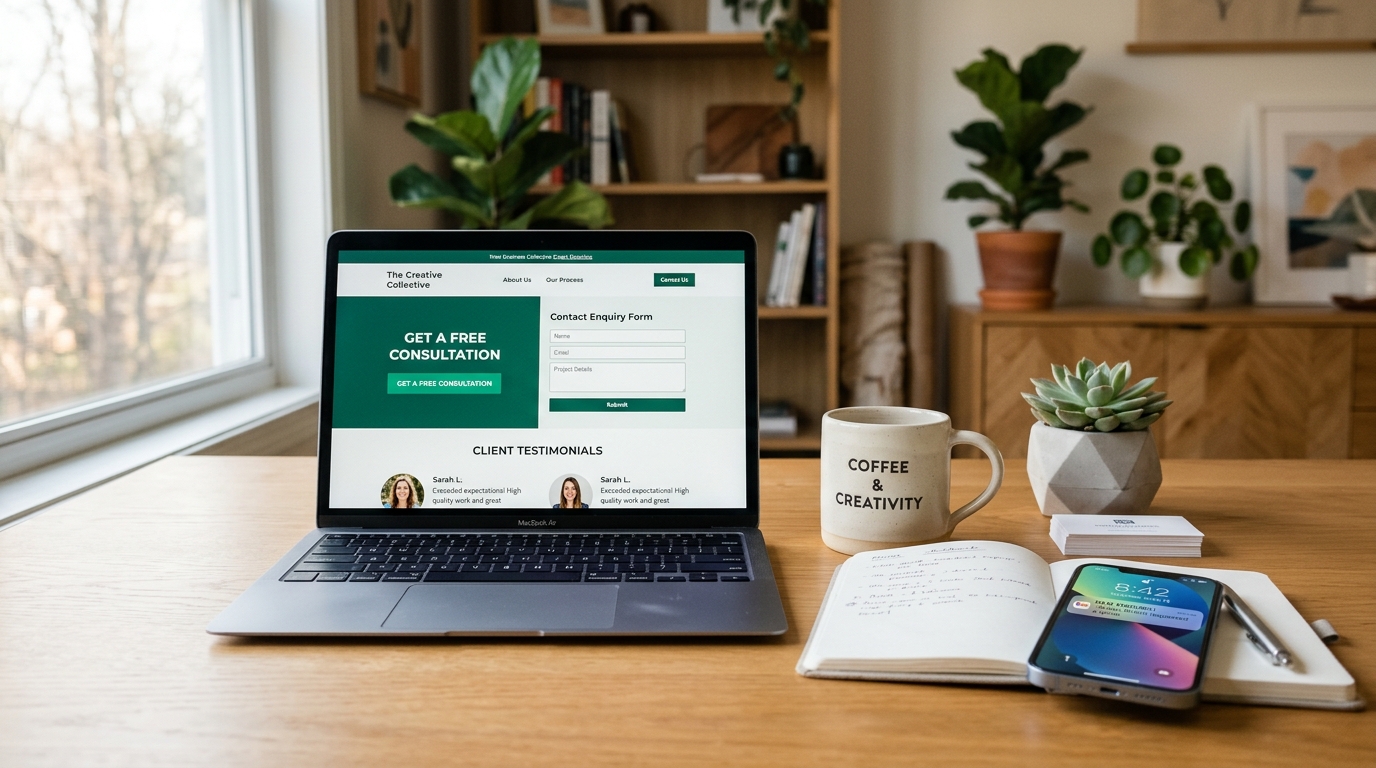
People arrive at a business website with a handful of questions: What do you do? Do you serve my area? Can I trust you? How do I contact you? Roughly what will it cost? A good website answers these in that order, without making anyone hunt.
Write those questions down before thinking about colours or layouts. Every section of the home page should answer one of them.
Grouping every service on a single page makes it hard for visitors and search engines to understand what you offer. Give each service its own page that explains the problem it solves, what is included, how the process works and what it typically costs or how pricing is decided. A dedicated page can also rank for searches about that specific service.
Generic phrases like “quality service” are ignored. Specific details persuade: the name of a client, a photo of finished work, a review that describes a real situation, your registered address and your years in business. Add an About page with real people and real photos. Visitors want to know who they are dealing with.
A slow page loses visitors before they read a word. Compress images, avoid heavy sliders and autoplay video, and limit plugins and third-party scripts. Design for the phone first. Check every page on a small screen, tap every button and fill in every form before launch.
Set up analytics and track the actions that matter to your business: form submissions, calls, WhatsApp clicks and bookings. Page views alone tell you little. Knowing which pages and sources produce enquiries tells you where to invest next.
If you would like this done for you, our Website Design & Development packages cover all of the above.
Most need a home page, an about page, one page per main service, a contact page and the privacy and terms pages. Add a blog when you can publish regularly.
A well-chosen, customised template is fine for most small businesses. Choose custom design when your brand, content or functionality is distinctive enough that a template would hold it back.
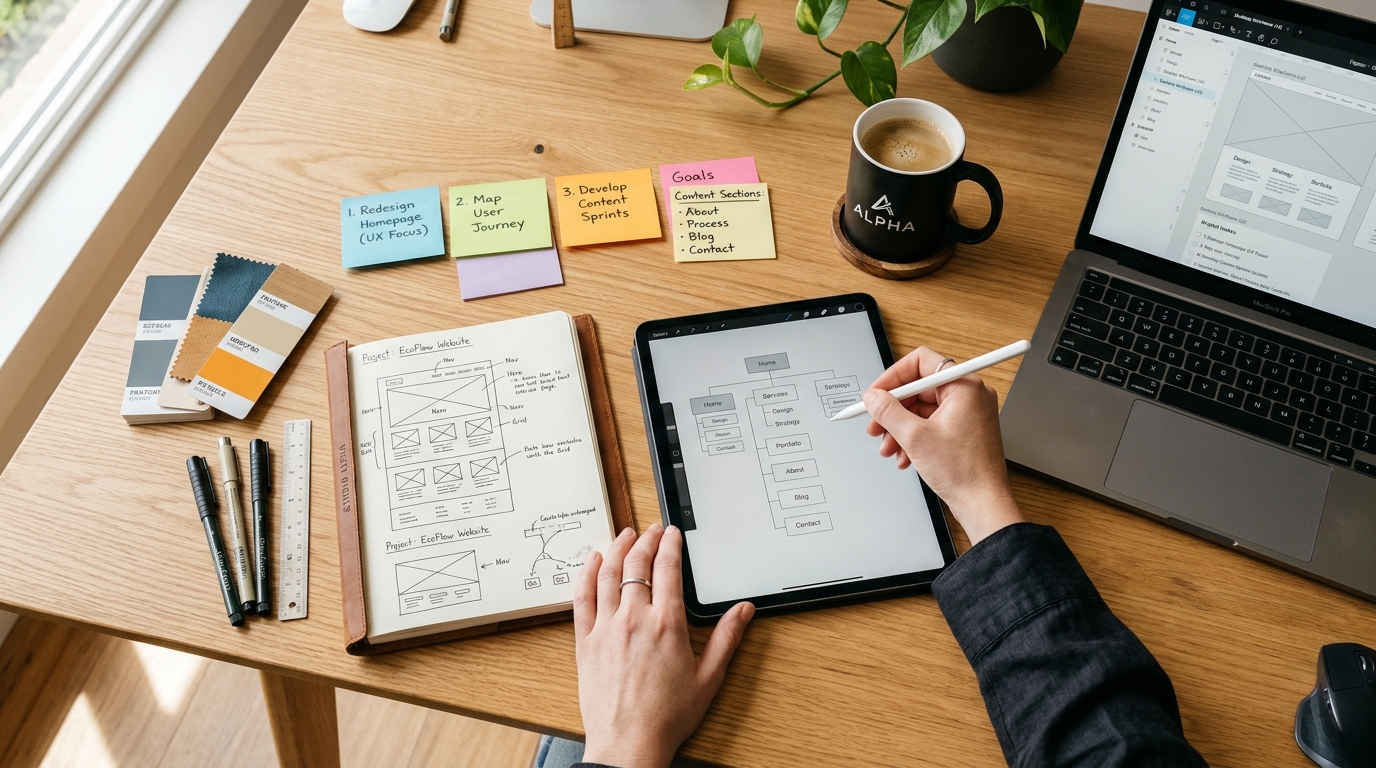
Most website delays come from decisions made too late. Plan goals, pages and content first, and the design and build go far more smoothly.
3 min read · Evergreen guide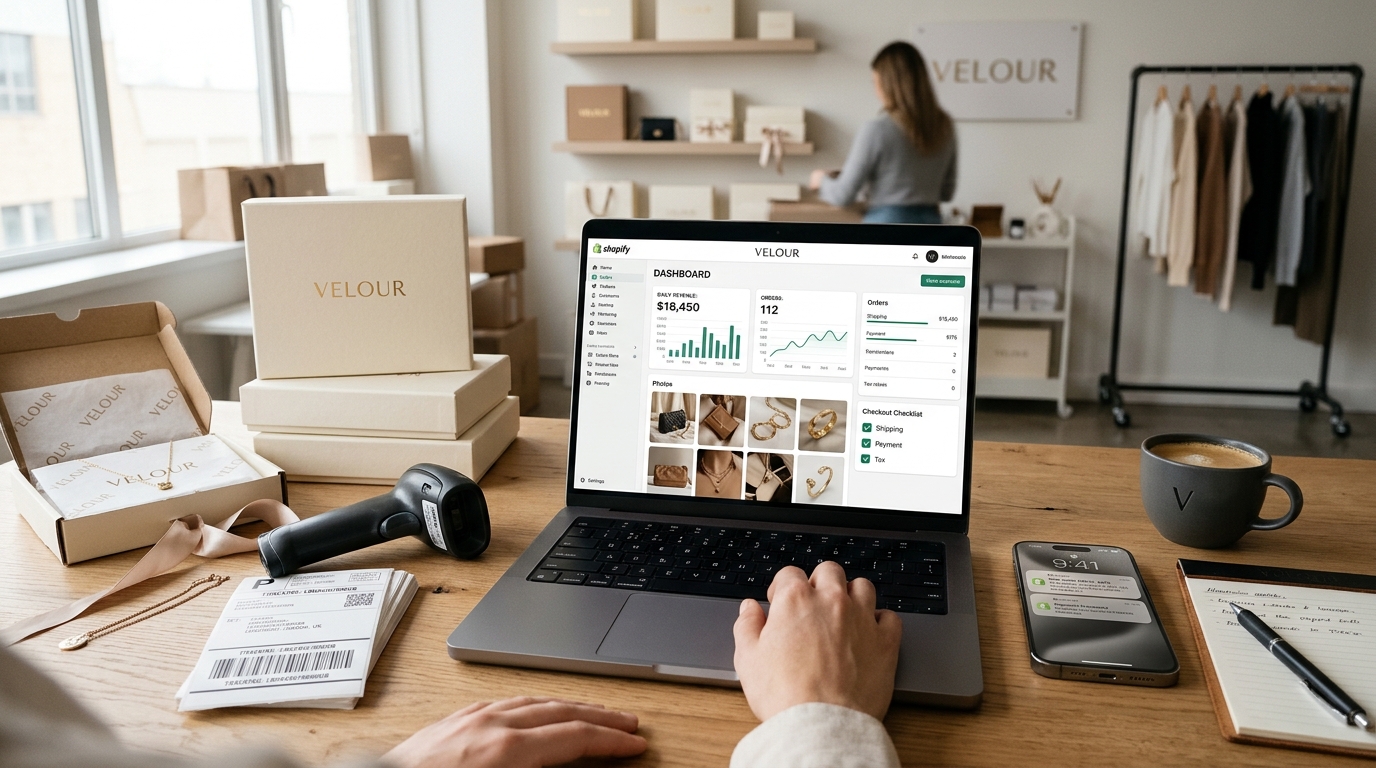
Payments, shipping, taxes, policies and product pages all need to work on the first day. Use this checklist to launch your store with confidence.
3 min read · Evergreen guide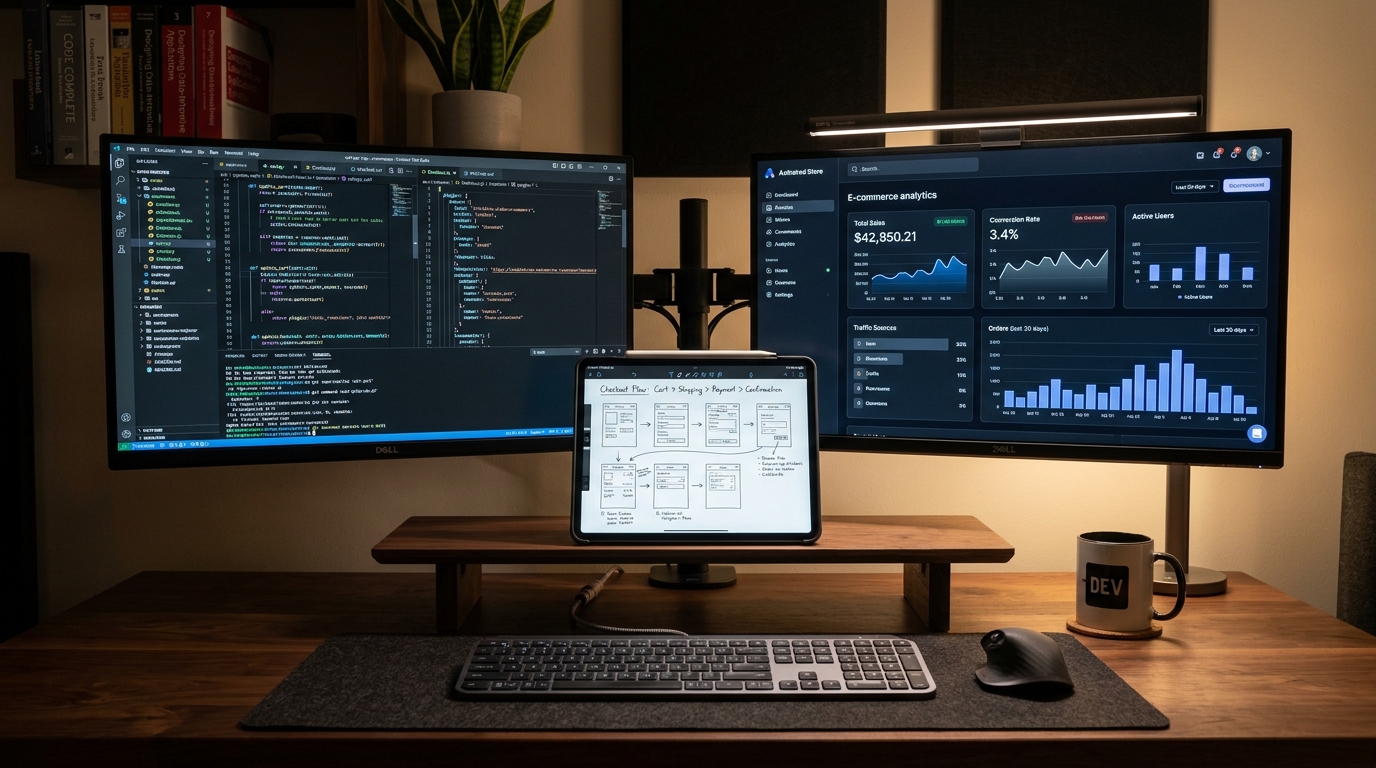
Self-hosted platforms like WooCommerce give you control. Hosted platforms like Shopify handle the technical work for a monthly fee. Here’s how to decide.
3 min read · Evergreen guideTalk to the Vintorex team about website design & development. Free consultation, reply within 2 working hours.