
Measuring Ad Performance: The Metrics That Actually Matter
Impressions and clicks are easy to grow and easy to misread. These are the metrics that show whether advertising is making money, and how they connect.
3 min read · Evergreen guideSearch ads catch people who are already looking. Social ads reach people who aren’t looking yet. Knowing the difference decides where your budget works hardest.

Search ads appear when someone types a query into a search engine. The person has already expressed a need, such as “AC repair near me” or “buy office chairs online”. You are answering a question they asked.
Social and display ads appear while people scroll feeds, watch videos or read websites. They were not looking for you, so the ad has to earn attention and create interest.
Watch out for broad keywords that attract the wrong people. Use negative keywords to exclude irrelevant searches. Make sure the ad and landing page match the query closely.
The creative is critical here. The first second of a video or the main image decides whether anyone notices.
Our Paid Advertising packages include search and social campaigns with conversion tracking set up from day one. Pair them with a campaign landing page for best results.
Often yes. It is usually cheap, protects you from competitors appearing above you, and lets you control the message. Review it periodically to confirm it adds value.
Usually a mismatch between targeting, ad message and landing page, or missing conversion tracking. Check search terms, audience settings and the page experience.
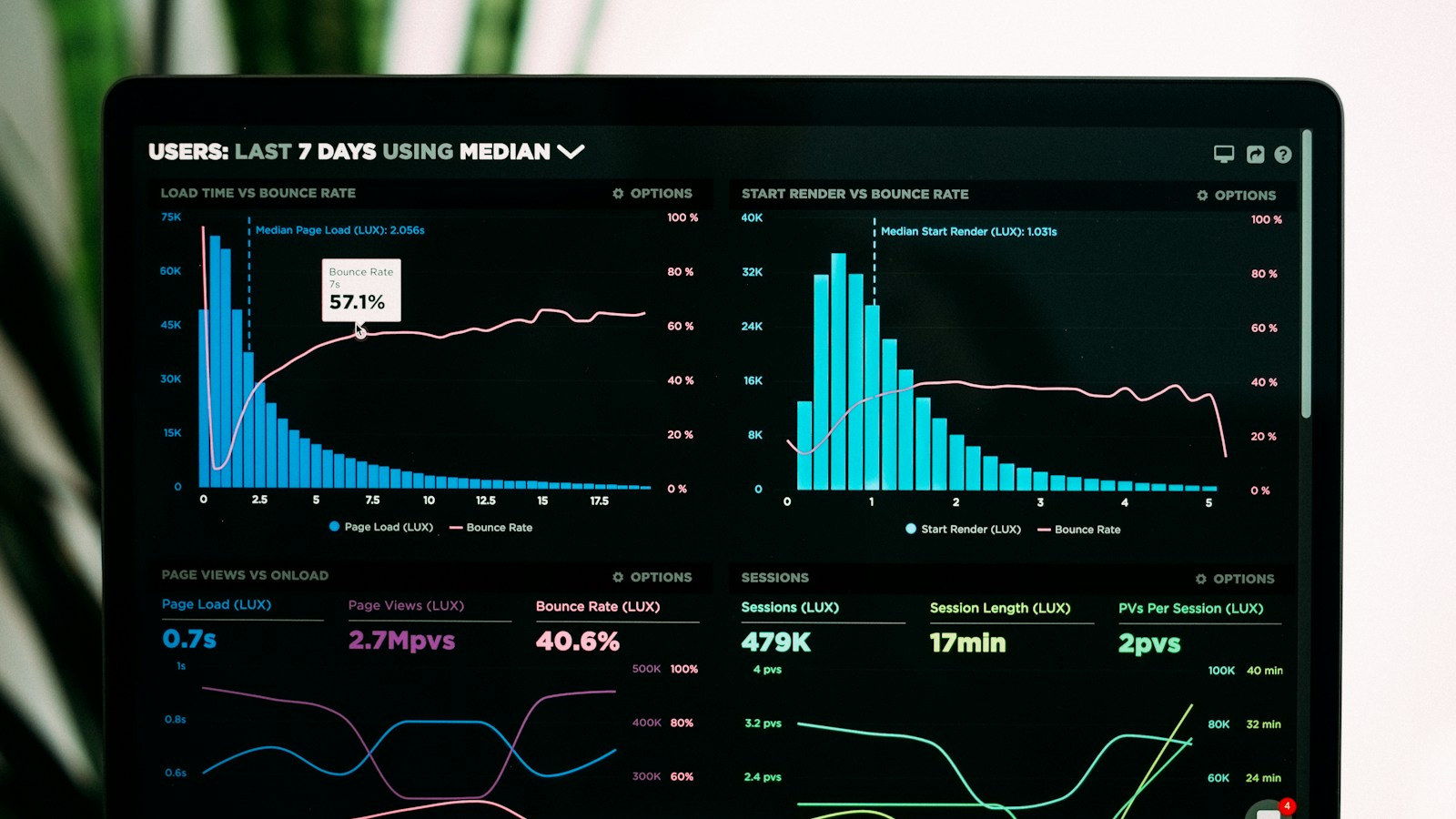
Impressions and clicks are easy to grow and easy to misread. These are the metrics that show whether advertising is making money, and how they connect.
3 min read · Evergreen guide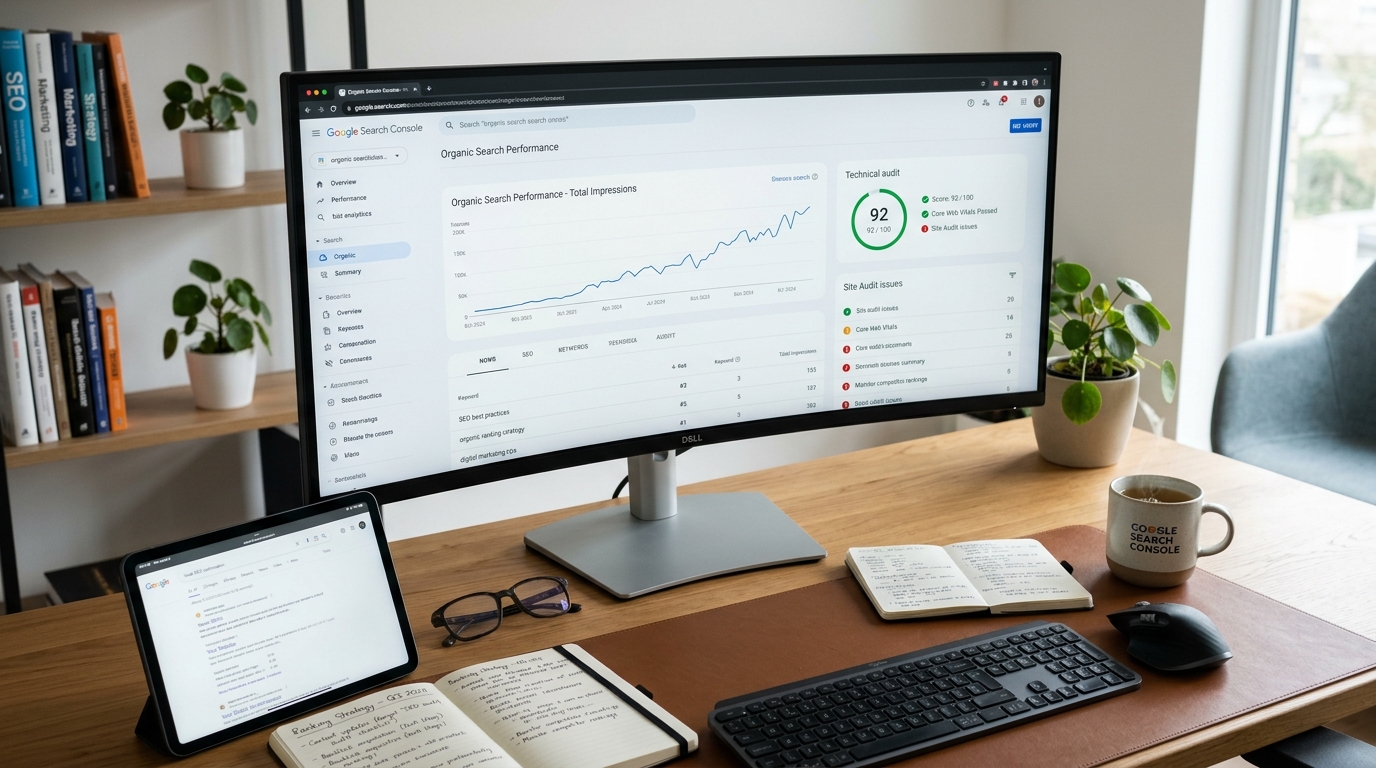
Search engines crawl, index and rank. Understanding those three steps explains almost every SEO recommendation you will ever hear.
4 min read · Evergreen guide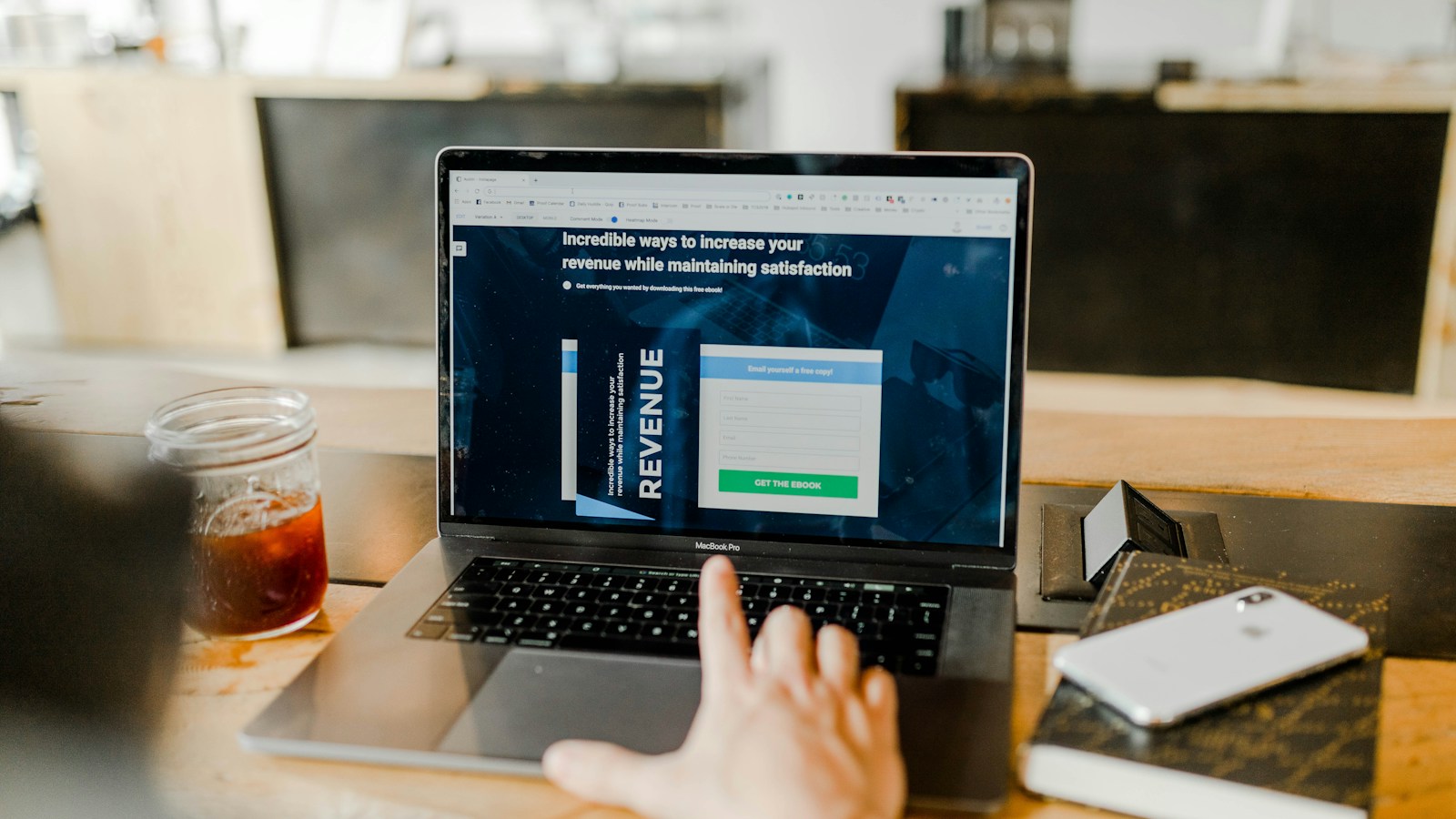
“Near me” searches come from people ready to act. Here’s how to appear in map results and local listings, and turn those searches into calls and visits.
3 min read · Evergreen guideTalk to the Vintorex team about paid advertising (ppc). Free consultation, reply within 2 working hours.