
How to Brief a Designer for a Logo That Lasts
A clear brief gets you better concepts in fewer rounds. Here’s what to include, and how to judge logo options objectively.
3 min read · Evergreen guideA logo is one piece of a system. Colours, typography, imagery, voice and guidelines make a brand recognisable everywhere it appears.
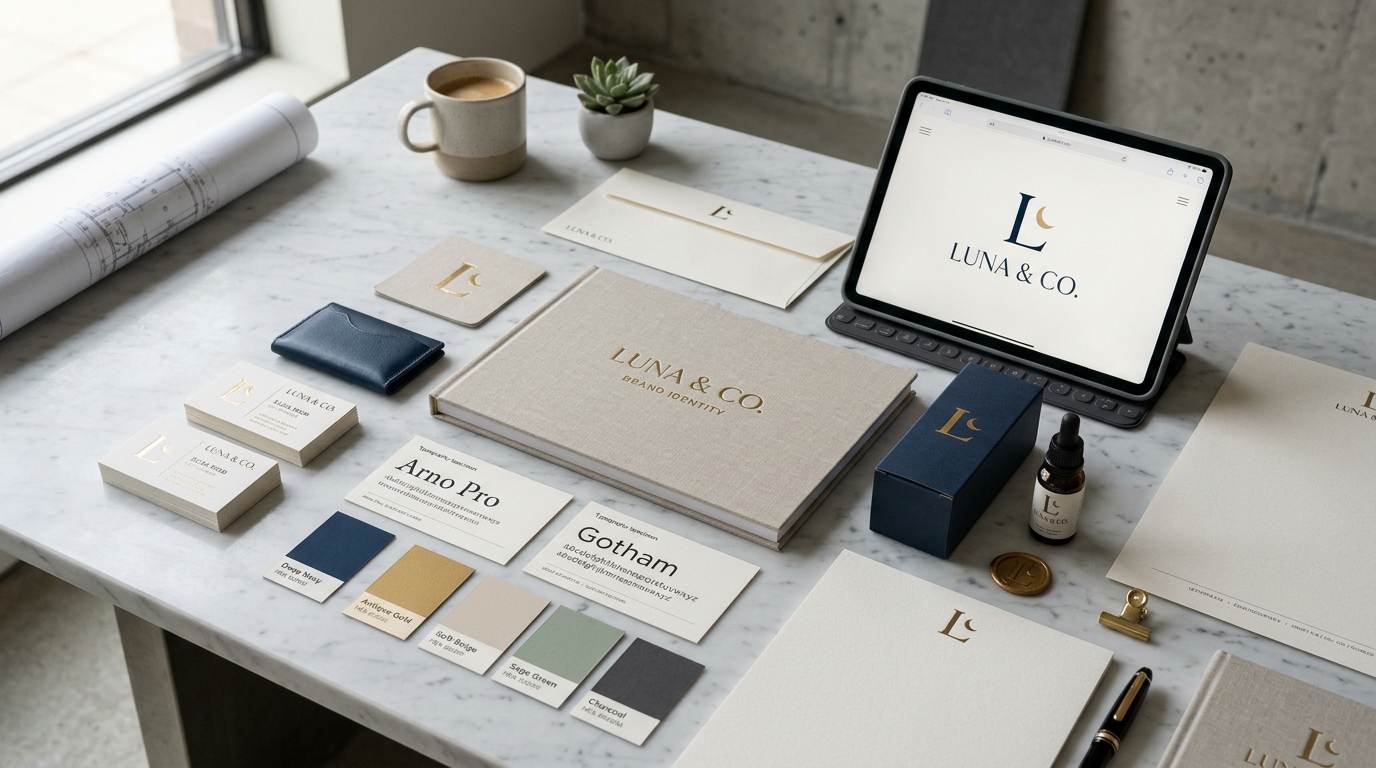
Your brand is what people think and feel about your business. Your brand identity is the set of tools you use to shape that perception: the visual and verbal elements you control. Your logo is one element of that identity. A strong logo in an inconsistent identity still produces a weak brand.
Before any design, answer a few questions in writing:
These answers guide every design decision and stop the process from becoming a matter of taste.
Not one logo but a set: a primary version, a horizontal or stacked alternative, an icon or symbol for small spaces, and single-colour versions for difficult backgrounds and printing.
Primary brand colours plus supporting and neutral colours, each defined with exact values for screen and print. Good palettes also consider contrast and accessibility.
One or two typefaces with clear rules for headings, body text and emphasis. Typography carries personality as strongly as colour does.
Guidance on photography style, illustrations, icons, patterns and shapes, so materials feel related even without the logo.
A brand guide documents everything above with examples of correct and incorrect use, plus templates for common items such as business cards, letterheads, social posts, presentations and signage. It saves time, reduces mistakes and keeps your brand consistent as your team and suppliers change.
Audit every place your brand appears: website, social profiles, invoices, email signatures, packaging, uniforms, vehicles and signage. Update anything that does not match. Consistency over time is what turns a design into a recognisable brand.
Our Digital Branding packages range from a logo to a complete identity with brand book, social templates and stationery.
Only when there is a real reason: a change in direction, audience or offering, a merger, or an identity that no longer works across modern channels. Small refreshes are often enough.
Yes, even a short one-page guide with logo usage, colours and fonts prevents inconsistency and saves time whenever something new is designed.
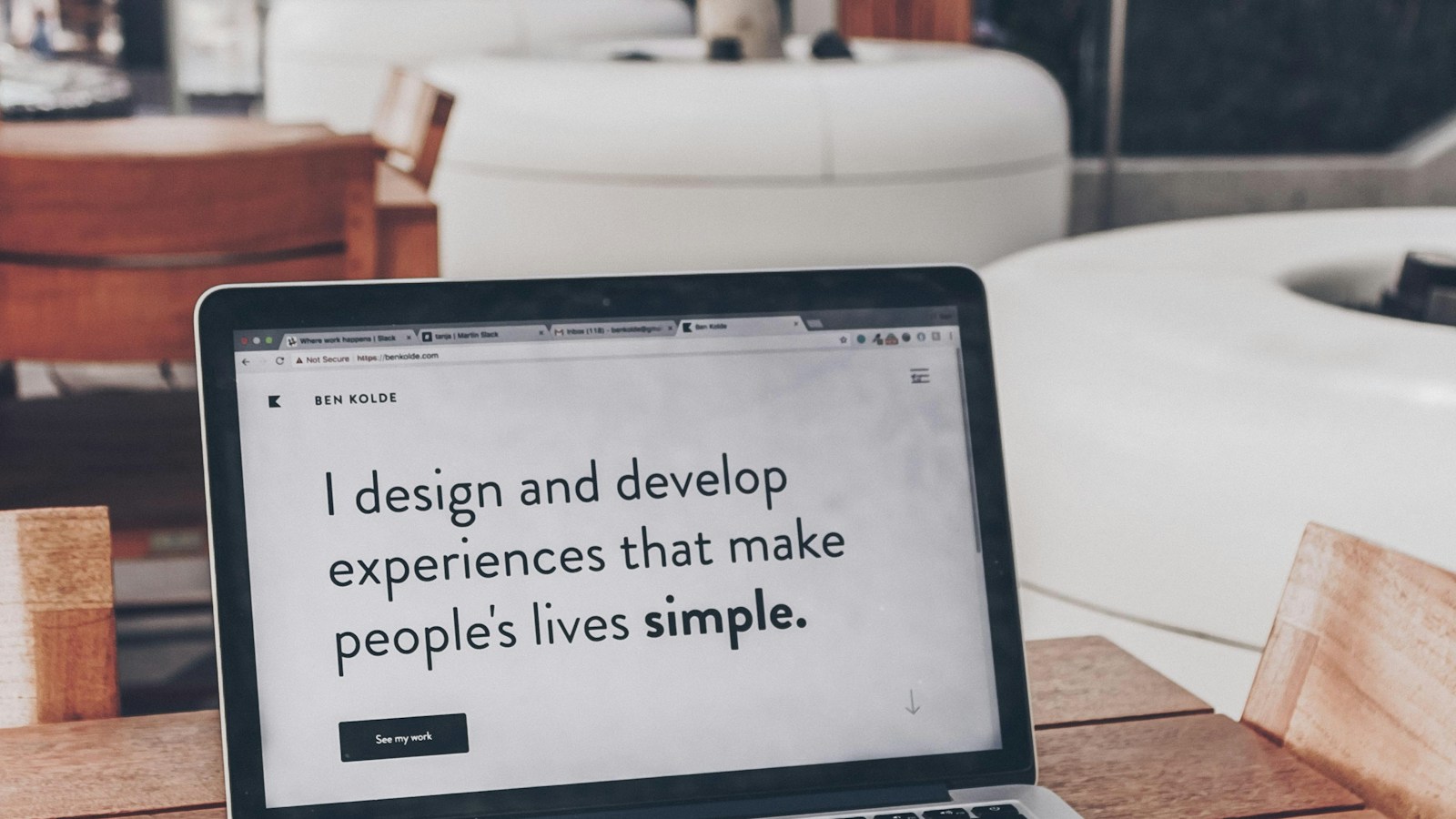
A clear brief gets you better concepts in fewer rounds. Here’s what to include, and how to judge logo options objectively.
3 min read · Evergreen guide
Ranking content starts with understanding what the searcher needs, then answering it more clearly and completely than anyone else. Here’s the process.
3 min read · Evergreen guide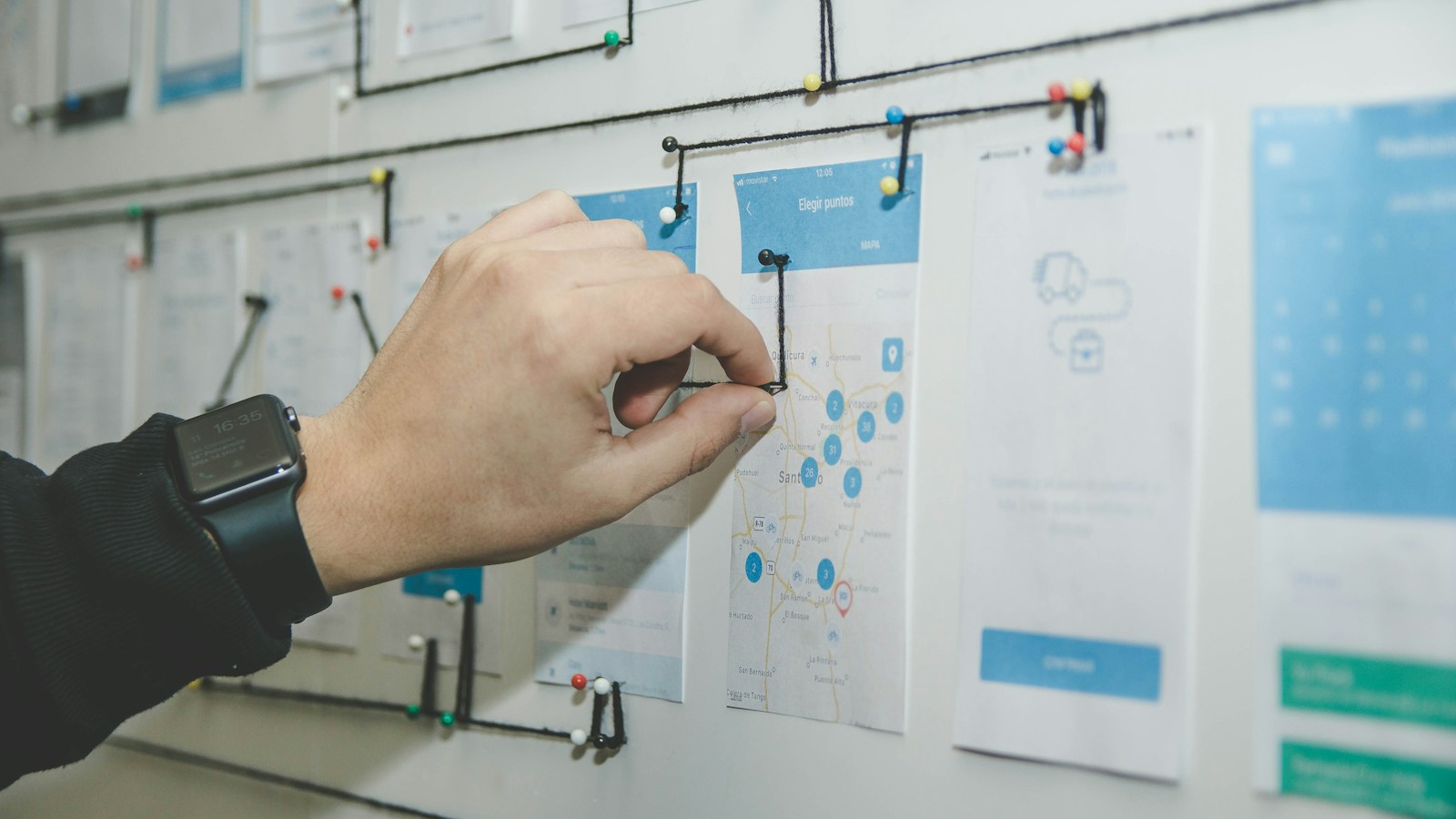
Instead of scattered articles, build connected groups of content around your core topics. Topic clusters help readers navigate and show search engines your depth.
3 min read · Evergreen guideTalk to the Vintorex team about digital branding. Free consultation, reply within 2 working hours.