
Why 3D Renders Sell Industrial Products Better Than Photos Alone
Machines, pumps and components are hard to photograph well. 3D renders show every product cleanly and consistently, even before it exists.
3 min read · Evergreen guideB2B buyers use catalogues to compare, specify and justify purchases. A catalogue designed for those jobs becomes a sales tool that keeps working.

B2B buyers rarely read a catalogue cover to cover. They use it to find the right product for an application, compare models, check specifications, share options with colleagues and justify a purchase to their managers. Design every page to make those jobs easy.
Purchasing decisions often involve engineers, finance and management. Include information each of them needs: performance data for engineers, efficiency and lifetime cost benefits for finance, and reliability, warranty and support for management. Case studies and client references help too.
Plan for updates. Use templates and organised source files so adding products or changing specifications is quick. Put a version number on the catalogue so sales teams know they are sharing the latest edition.
Our Industrial & Product Design Catalogue package includes layout, photo editing, renders and print-ready and digital files. Add a brochure for quick introductions.
Usually not in B2B catalogues meant to last, because prices change and vary by customer. Use a separate price list that can be updated independently.
Long enough to cover your range clearly. Large ranges may work better as several focused catalogues by category or industry.

Machines, pumps and components are hard to photograph well. 3D renders show every product cleanly and consistently, even before it exists.
3 min read · Evergreen guide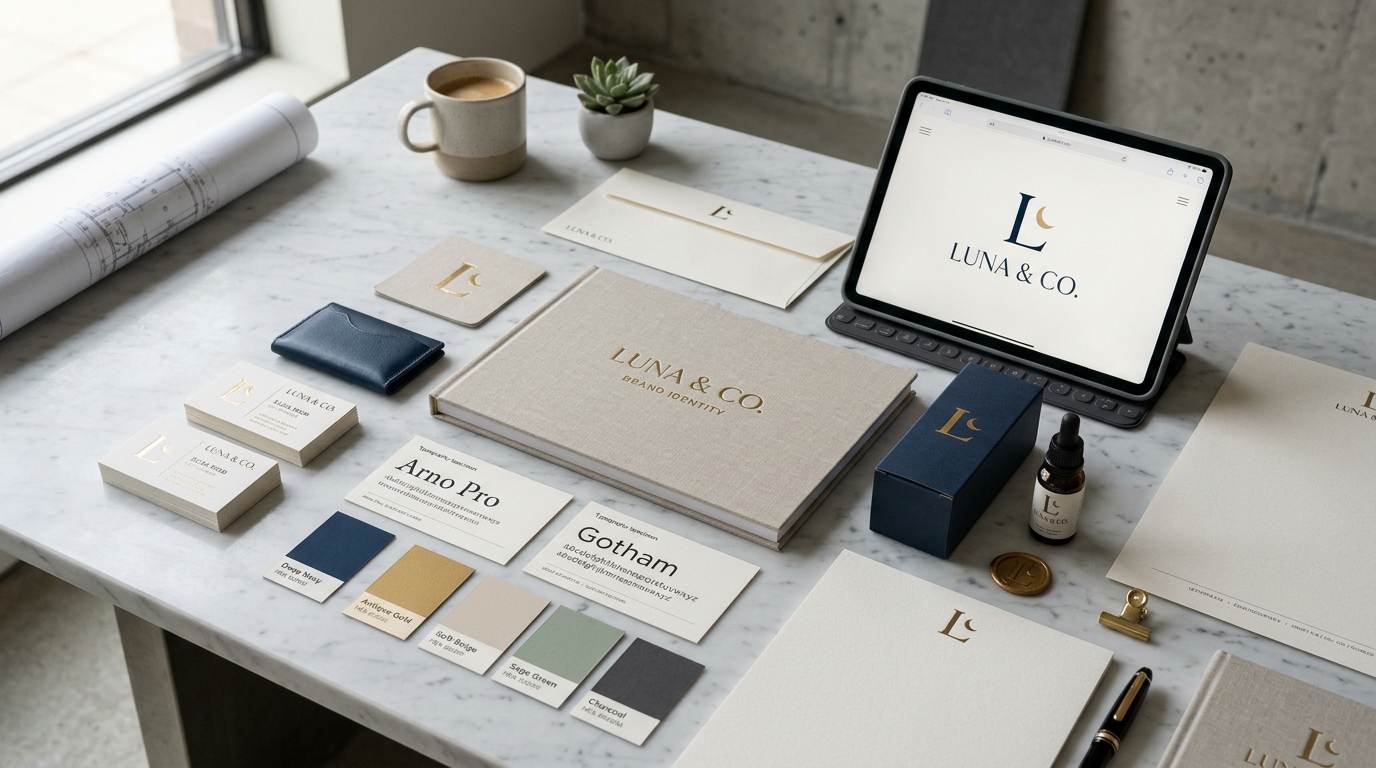
A logo is one piece of a system. Colours, typography, imagery, voice and guidelines make a brand recognisable everywhere it appears.
3 min read · Evergreen guide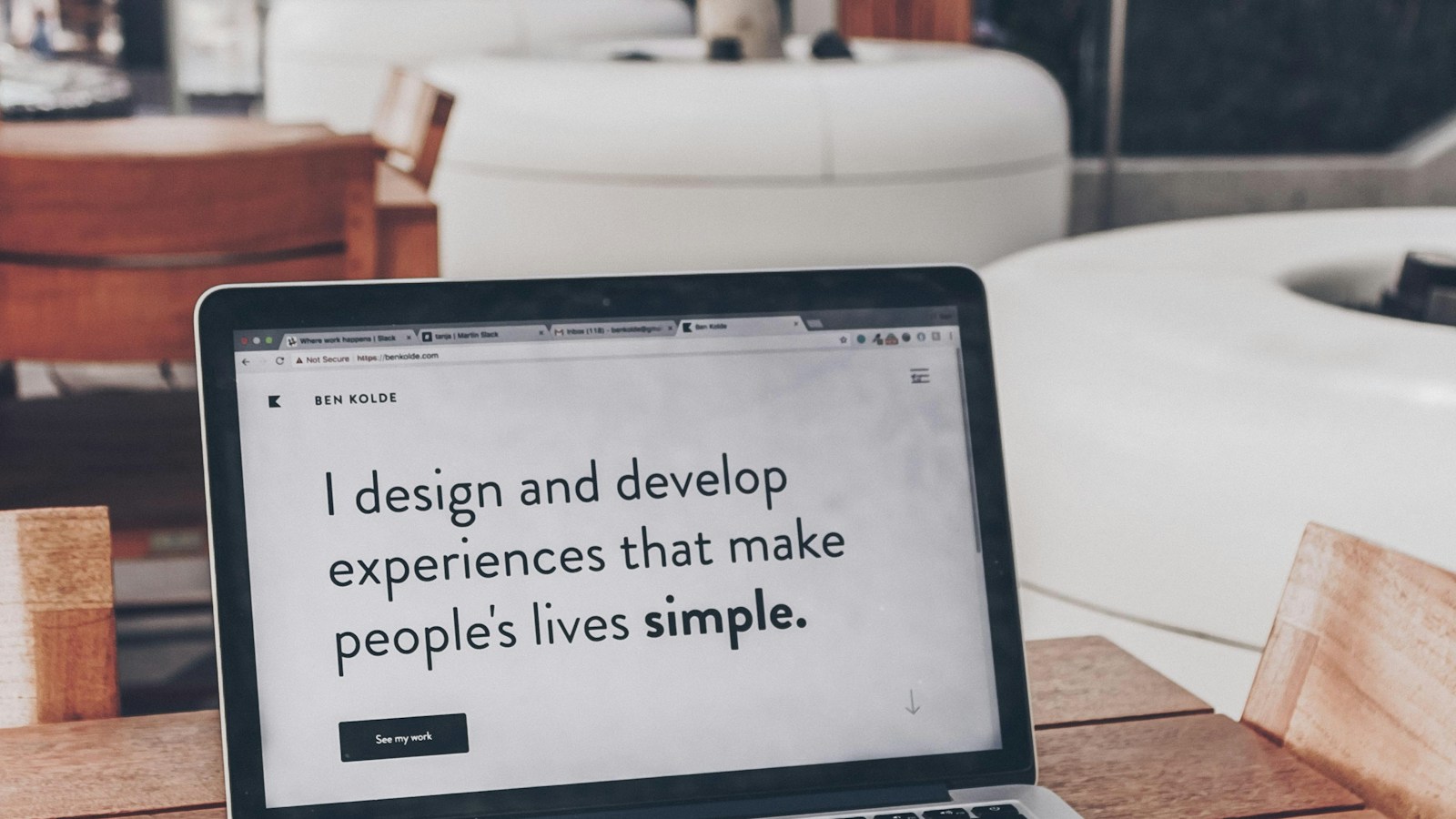
A clear brief gets you better concepts in fewer rounds. Here’s what to include, and how to judge logo options objectively.
3 min read · Evergreen guideTalk to the Vintorex team about industrial & product design. Free consultation, reply within 2 working hours.