
From Idea to App Store: The Stages of Building a Mobile App
Understanding each stage of app development, from specification to launch, helps you budget, plan and make decisions at the right time.
3 min read · Evergreen guideAn app is a big investment that pays off only in the right situations. Use these questions to decide whether an app, a mobile-friendly website or both makes sense.

People install apps they use often and delete the rest. If your customers interact with you weekly or daily, by reordering, booking, tracking deliveries or checking balances, an app can be valuable. If they visit once or twice a year, a fast website almost always serves them better.
Cross-platform frameworks let one codebase run on both Android and iOS, which reduces cost and keeps features in sync. Native development, written separately for each platform, can make sense for apps that push hardware or graphics to their limits. For most business apps, cross-platform is the practical choice.
If the answers point to an app, start with a focused first version that does one job really well, then grow it based on real usage. Our Mobile App Development packages are built around that approach. If the answers point to a website, start with Website Design & Development.
Yes, to a degree. Progressive web apps can be added to a home screen, work partly offline and send some notifications. They suit many businesses that want app-like convenience without store distribution.
It depends on your customers. Check your website analytics to see which phones your visitors use. Cross-platform development makes supporting both affordable.
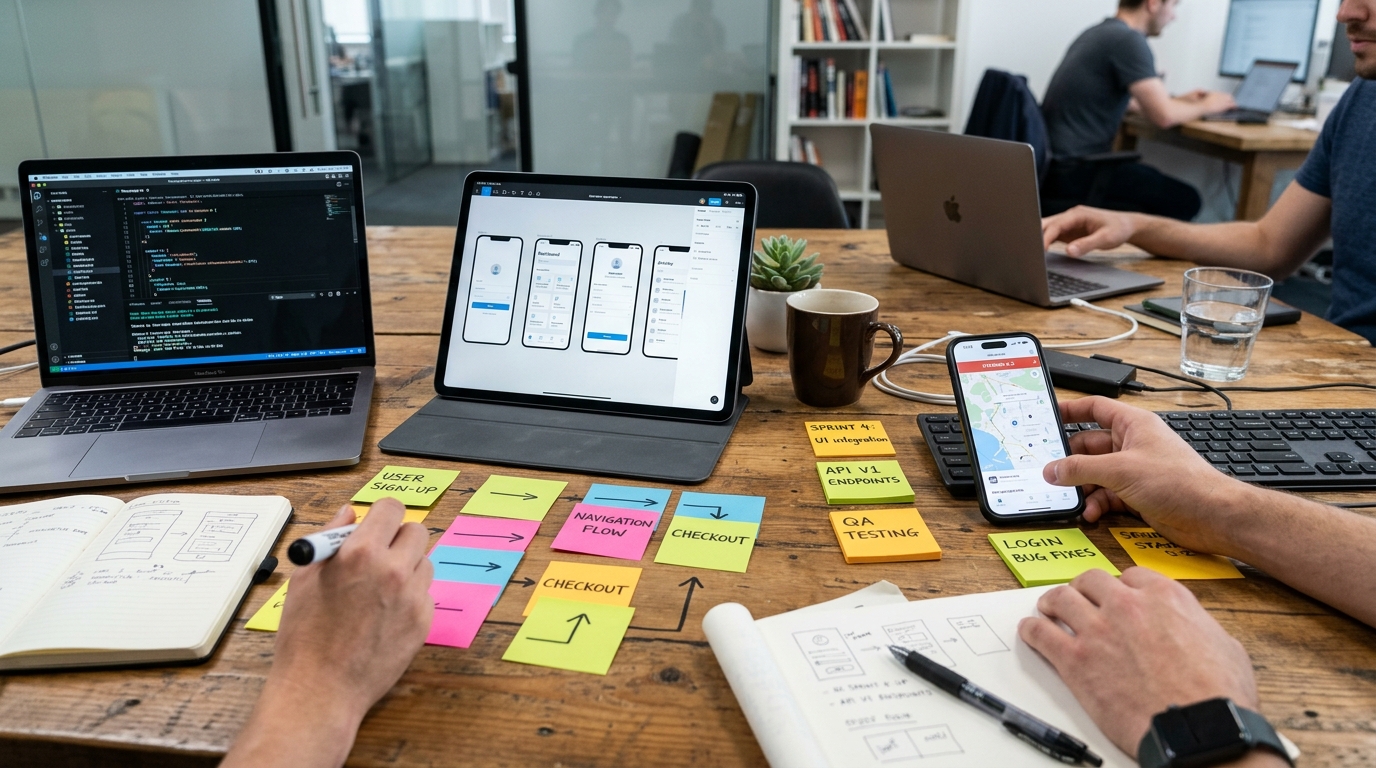
Understanding each stage of app development, from specification to launch, helps you budget, plan and make decisions at the right time.
3 min read · Evergreen guide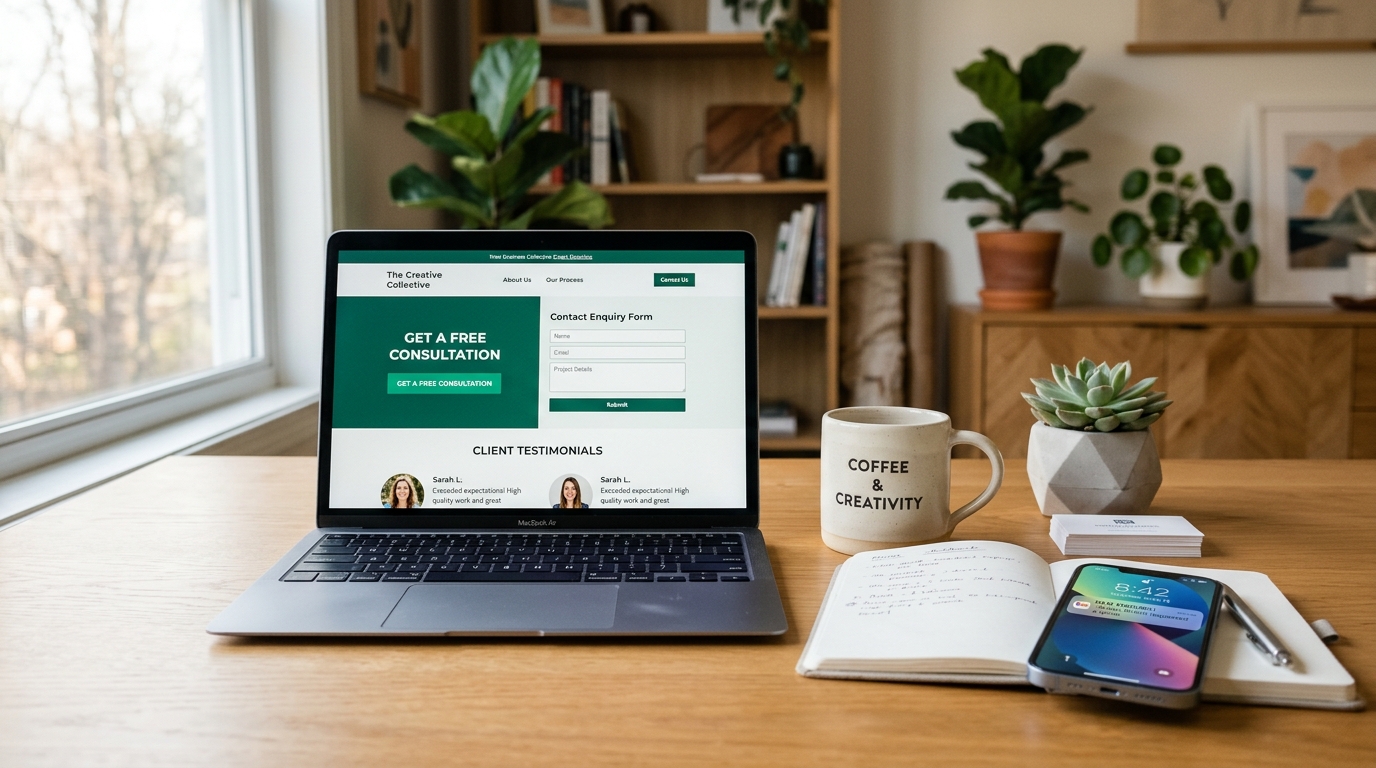
A website’s job is to answer a visitor’s questions quickly and make contacting you effortless. These are the elements that do that, page by page.
4 min read · Evergreen guide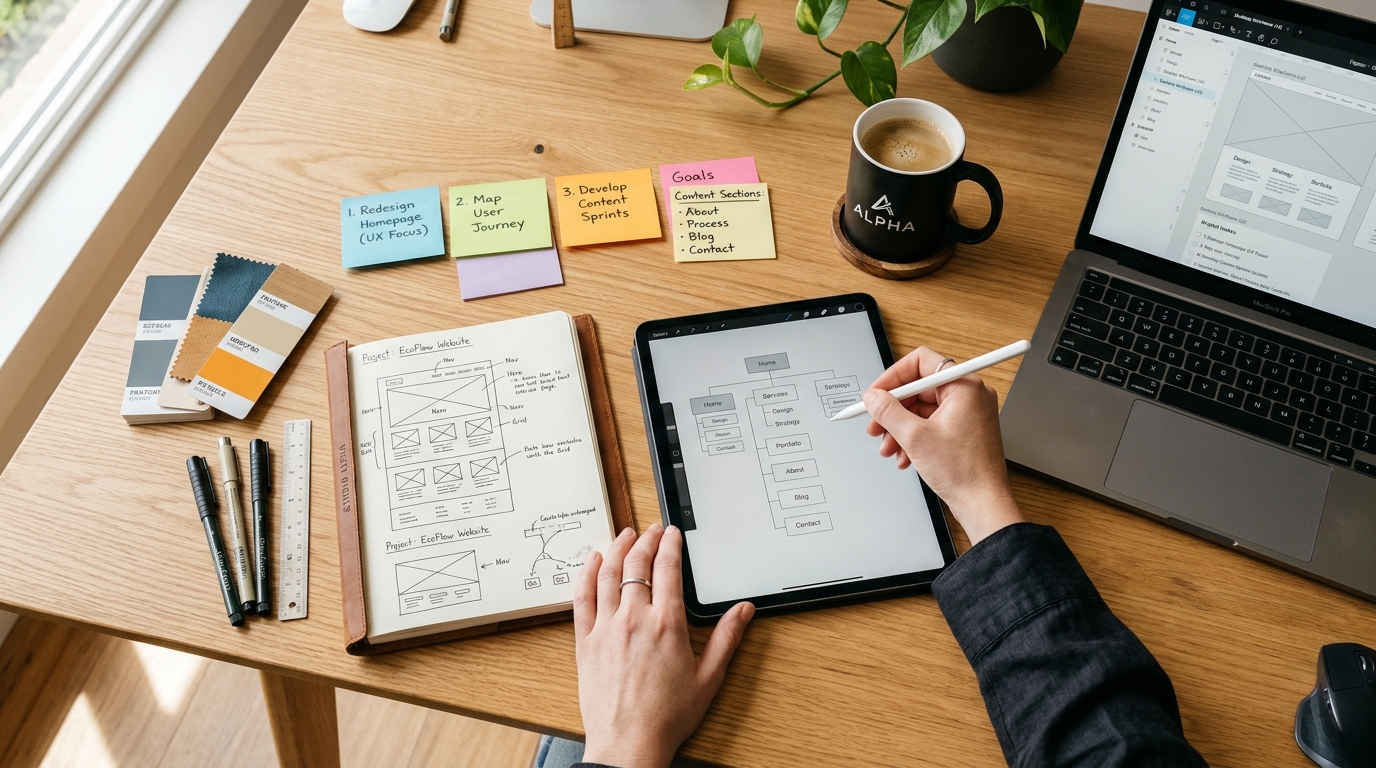
Most website delays come from decisions made too late. Plan goals, pages and content first, and the design and build go far more smoothly.
3 min read · Evergreen guideTalk to the Vintorex team about mobile app development. Free consultation, reply within 2 working hours.